
The advantages of new or renovated business premises include energy efficienciency, functionality of the premises, modern building systems and a good location.
Homes
Business premises
Construction services
YIT Finland
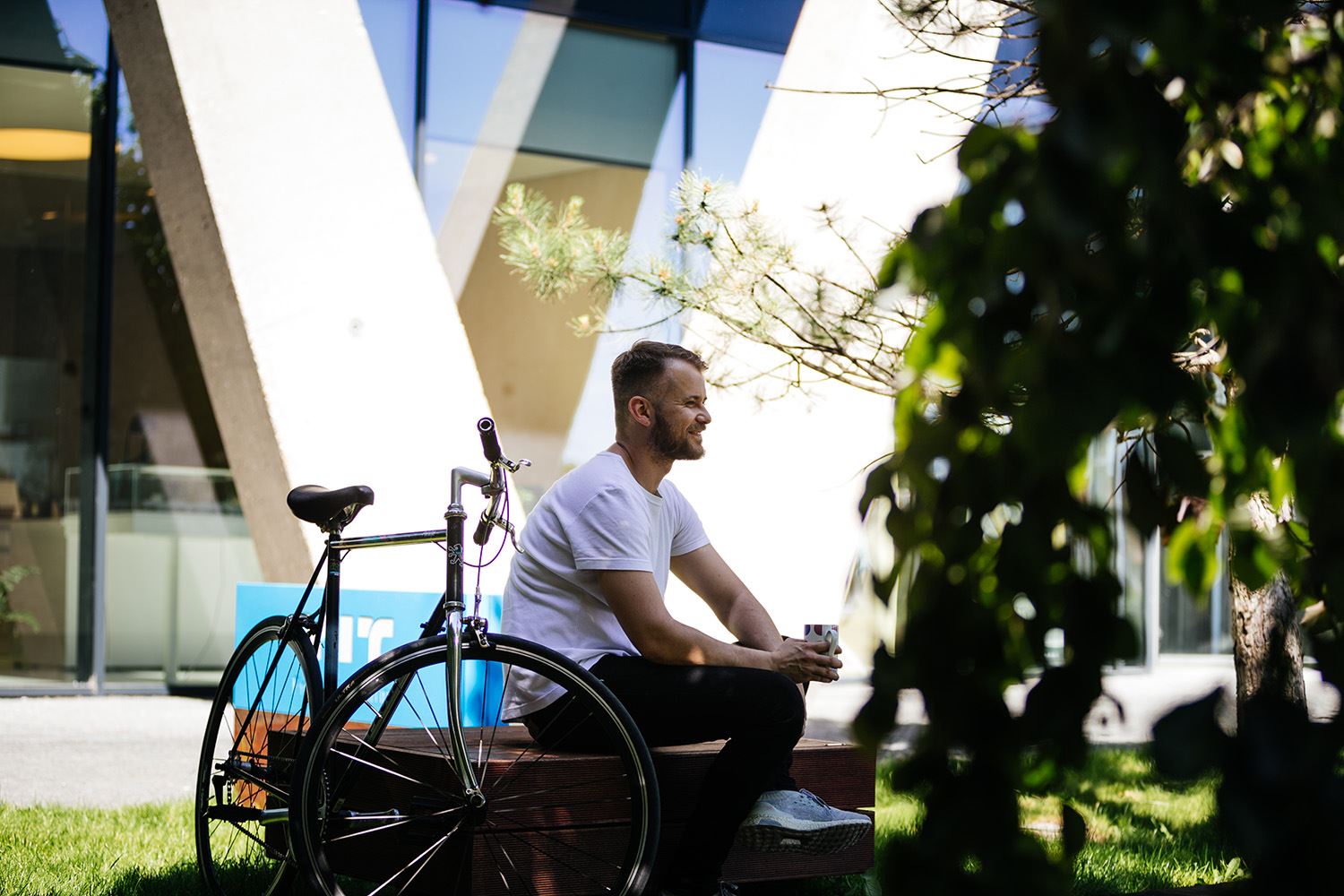
Through our own choices and actions, we want to curb climate change and conduct business that takes into account emissions and resource use every day,
The objectives we have set for ourselves are always at the centre of everything we do, both in the short and long term. Each year, we set objectives and define indicators for each key sustainable development theme, and then produce reports on their realisation. Read more about our annual progress reports on these objectives.
Through our own choices and actions, we want to curb climate change and conduct responsible business every day. We are committed to the Science Based Targets (SBTi) initiative to limit global warming to 1.5 degrees under the Paris Agreement. Our long-term goal is to reduce construction emissions across the entire value chain. By 2030, we will reduce emissions from our own operations by 90 % and emissions from the value chain by 30 % compared to the reference year 2019.
Read more about our environmental actions on our premises below.
Carbon footprint calculations are carried out for all self-developed business premises projects, which are in turn used in choosing materials with a smaller carbon footprint.

We use EKOenergy-certified electricity on the construction site.

At least 80% of all construction site waste is sorted and recycled.

All premises are equipped with fixtures that use less water and follow the LEED standard and EU Taxonomy.

Shared spaces and other common facilities are equipped with modern sorting systems.
Low-carbon hollow-core slabs are used in construction whenever it is technically feasible.

Low-carbon GWP.85-class concrete is used in construction whenever it is technically feasible.

Steel structures are constructed using recycled steel whenever it is technically feasible.
Construction sites use biofuel whenever possible.
LEED certification or a similar environmental certificate is applied for all business premises projects.
Additionally, sustainable options are always preferred on business premises projects. These include geothermal and solar heat, heating solutions that reduce heating emissions, and WELL certification.
You can read about the sustainability principles of each project on their corresponding web page*.
*Carbon footprint calculations might still be incomplete for some projects. We will update these project pages once the calculations have been completed.


